
Staff Spotlight: Michelle Sablack
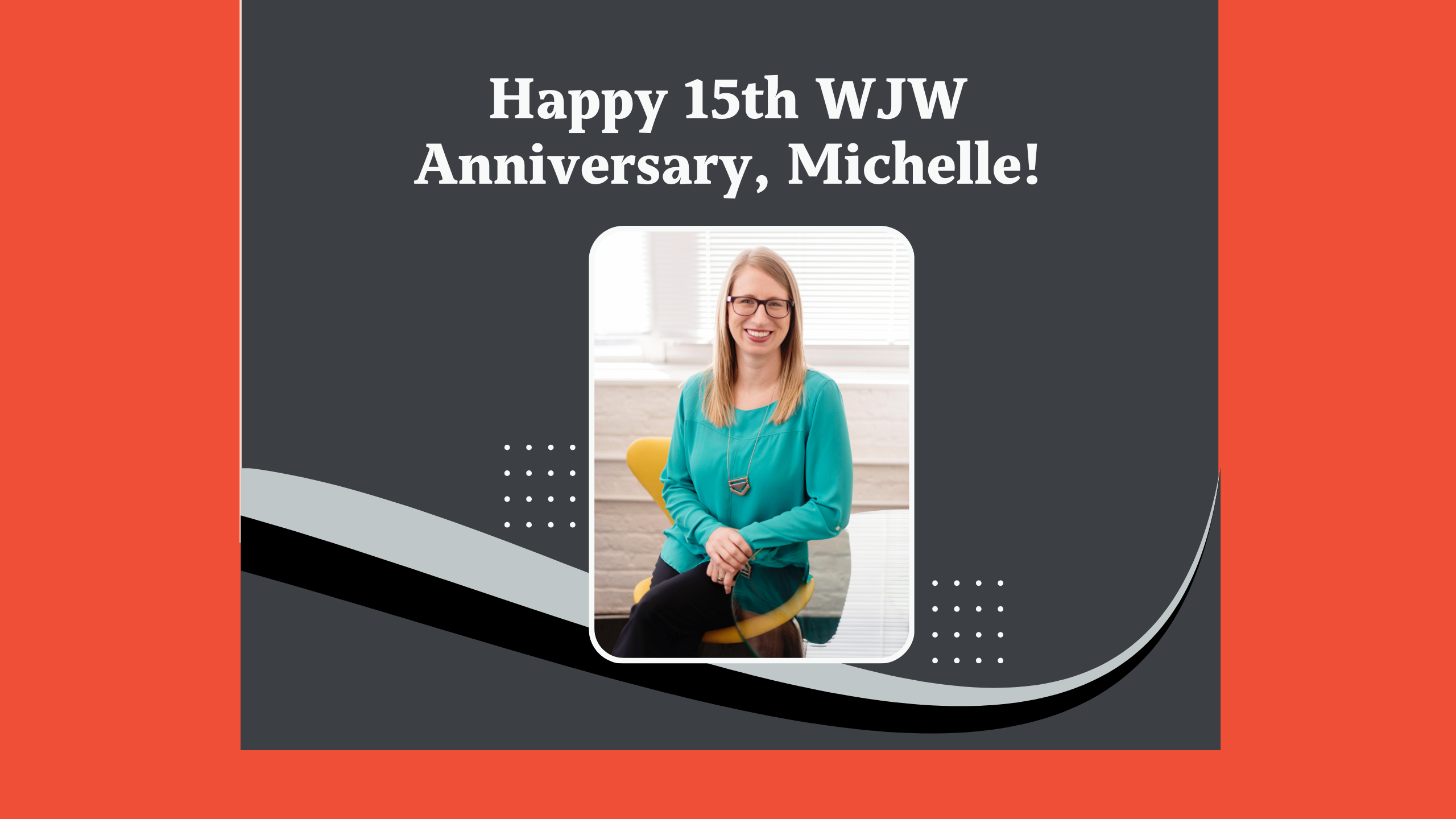
Marking Michelle's 15th anniversary with WJW
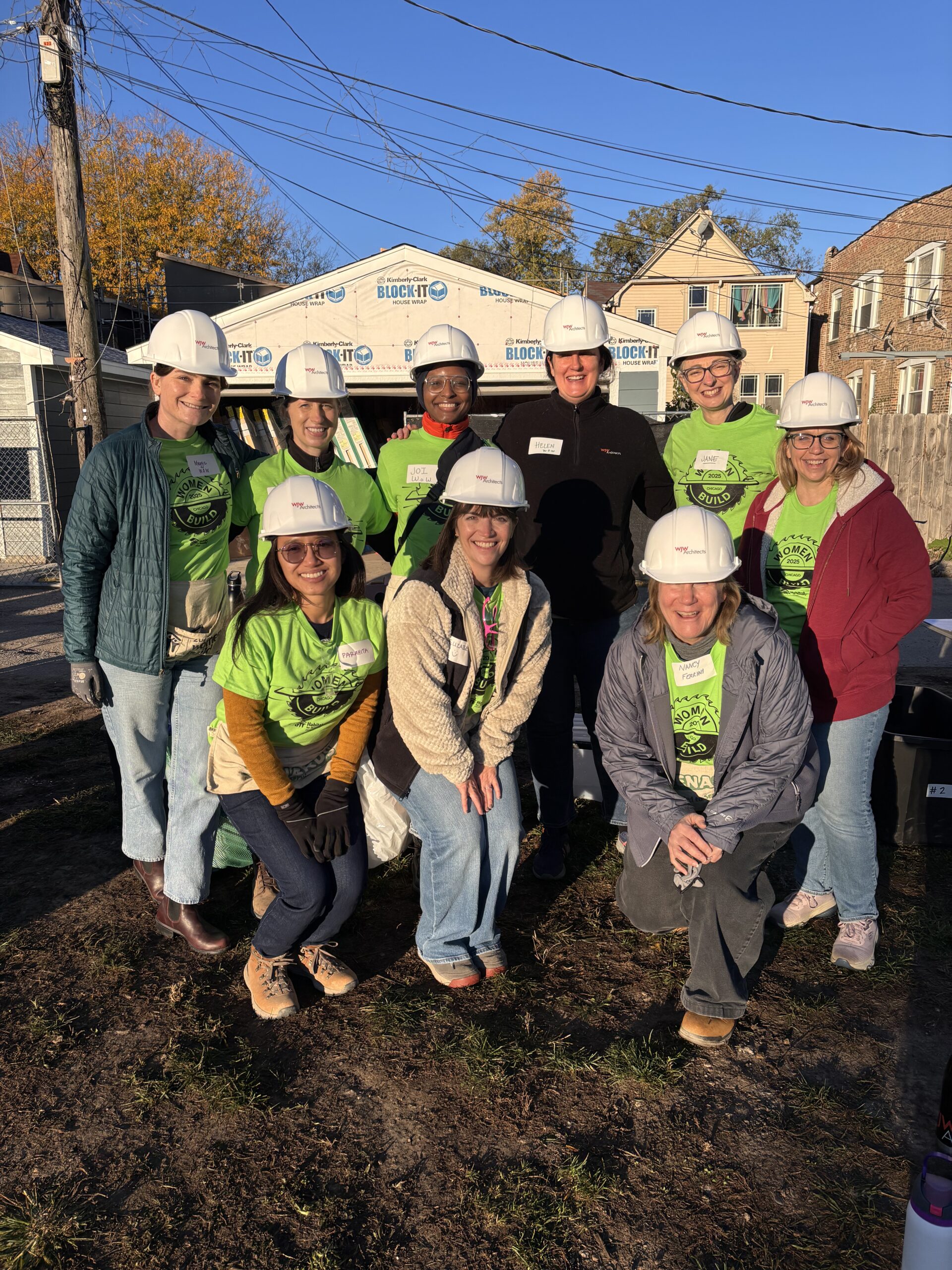
Today we are shining the spotlight on Michelle Sablack, who was recently named partner at WJW. Michelle has been with WJW for fifteen years, and in that time, has been instrumental in steering the firm's vision, values, and growth. She has chaired our Sustainabillity Committee since it started in 2021 and led the way for our signing the AIA 2030 Commitment, as well as serving on our Technology Committee. Outside of work, Michelle volunteers on the Board of Directors for Renaissance Social Services and chairs Renaissance’s Diversity Equity Inclusion & Accessibility (DEIA) Committee. She has also volunteered on WJW's WomenBuild team.
What made you decide you wanted to work in architecture?
I have always been creative since I was a small child – constantly making art and designing my dream houses, both on paper and in my head. My dad would take my brother and I through houses under construction in our hometown after hours to show
us how they came together, and it really sparked an early interest in architecture for me. When I started at Michigan for undergrad, I took a couple introductory design and architecture courses my first couple years before applying for the architecture school and those classes solidified that this was the area of study and profession I wanted to pursue.
What special knowledge or quality do you bring to the WJW team?
I am passionate about housing as a basic human right, and I am also a pragmatist. I dream big and then use the more practical side of me to help bring those dreams to reality. I use my passion to frame our work in this way. As an example, while it’s always disheartening to have compelling design ideas value engineered to something more cost effective, I help remind our team about the impacts that our projects have on real people’s lives. If we can achieve the goal of delivering a dignified, sustainable, welcoming home in a less costly way, everyone wins.
What has been your favorite project and why?
East Bluff Homes in Peoria, IL – This was a refreshing change in scale for me after working on much larger projects. It was a great design challenge to design new, energy efficient, cost-effective homes that fit the character and spirit of an historic yet disinvested neighborhood. The result was homes that truly weave into the fabric of the neighborhood, uplift the community, and that I think anyone would be proud to call home.
Spring Lake Senior Residences in Lansing, IL – I’ve never done a project with an actual lake onsite. It is such an idyllic setting, and the townhomes are a great example of dignified, sustainable independent senior living. My favorite design features are the lakefront amenities though; our WJW design team and landscape architect from Fieldwork Design Group were visionary in activating the lake in a way that all residents and visitors can enjoy.
What do you most enjoy about what you do?
The collaborative spirit of our work at WJW. We’re not a firm that has an intensely specific design vision that must be realized at all costs. We pride ourselves on designing beautiful spaces that reflect the needs and desires of the people who will own, operate, and inhabit them for decades after we’ve completed our work.
What has been one of your proudest moments working at WJW?
Being invited to be a partner. It was the culmination of almost 15 years of hard work here, and it felt so good to have that work recognized in this way. I am grateful to now have a voice in the future of the firm and to continue the great work we do day in and out at WJW.
What energizes you at work?
The people – I feel lucky to work with such a solid group of people at WJW along with great clients, contractors, and consultants. And of course, the people who live, work, and play in our buildings – when it comes down to it, they’re what make all the effort worth it
What are the non-design lessons you’ve learned from your work at WJW?
The unfortunate and very real pitfalls of perfectionism. I am detail-oriented and a perfectionist by nature. In some ways, that helps me in this profession, but I can really get lost in the weeds. I have learned over time that perfection is unattainable and that aiming for it only drives me and others around me to unnecessary stress. It’s been a hard and important lesson to learn, and one I must continually remind myself of every day. I still aim for high standards in our work of course, and I’ve also learned there is great beauty in life’s imperfections if you can slow down and appreciate them.
Name one piece of architecture that continually inspires you and why.
Carlo Scarpa’s Brion Sanctuary – there is a serenity to the space that is unmatched in my experience anywhere else in the world, at least that I’ve visited to date. Its juxtaposition of concrete structures, natural features, and intricate, unsuspected detailing is so compelling. Generally, Scarpa’s mastery of detailing on all of his projects inspires me.
What do you enjoy doing when you’re not working?
Walking along the Lake Michigan; curling up on my ‘catio’ with my cat, coffee, and a good book; connecting with great friends and family all over the country; spending time in my husband’s hometown in northern Michigan.
Tell us about a favorite book.
Oh, this is another hard one. Remarkably Bright Creatures by Shelby Van Pelt is very high on my list. It really moved me in unsuspecting ways, and I enjoyed it start to finish, which is rare for me. It usually takes a while for a book to hook me. It was both a needed escape in its perspective and a beautiful story of family. I also really love The House on Mango Street by Sandra Cisneros. It is a heartfelt depiction of the complexities of life in the beautiful city of Chicago.
Offer your best life/business/design advice to young architects starting their final year of school.
Learn all that you can about creative problem solving and abstract thinking. You have your whole career to learn professional practice, and while some knowledge of this going out into the practice world can certainly be helpful, you will never again have the same opportunity to creatively problem solve in such open, low risk, and expansive ways. That sort of abstract, creative problem solving is not something that professional practice will teach you, so school is the best place for it. Soak it in!
Look into the future: name something you’re excited about and think maybe a part of architecture and design in the next 10 years.
Net zero energy and net zero carbon buildings! It is our collective future, and I’m eager to see these types of buildings become accessible to all, as opposed to just a select few.